

Choosing between a new and existing home in Palm Coast comes down to how you want to live, what you want to manage over time, and how each option fits into your long-term plans, more so than simply what’s available. The local market offers a mix of both, each with a different ownership experience.
When deciding between buying a new vs. used home, the decision centers on factors such as maintenance, layout, construction timeline, and long-term predictability. Understanding how these elements affect your day-to-day can help you evaluate your options more clearly and choose the path that aligns with your lifestyle, especially if you’re planning a retirement in vibrant Palm Coast.
At a Glance: Buying a New vs. Used Home in Palm Coast
- New homes offer a more consistent and predictable ownership experience
- Existing homes may offer quicker move-in and established surroundings
- Maintenance, layout, and timeline are key decision factors
- Long-term predictability can vary depending on the home’s age and condition
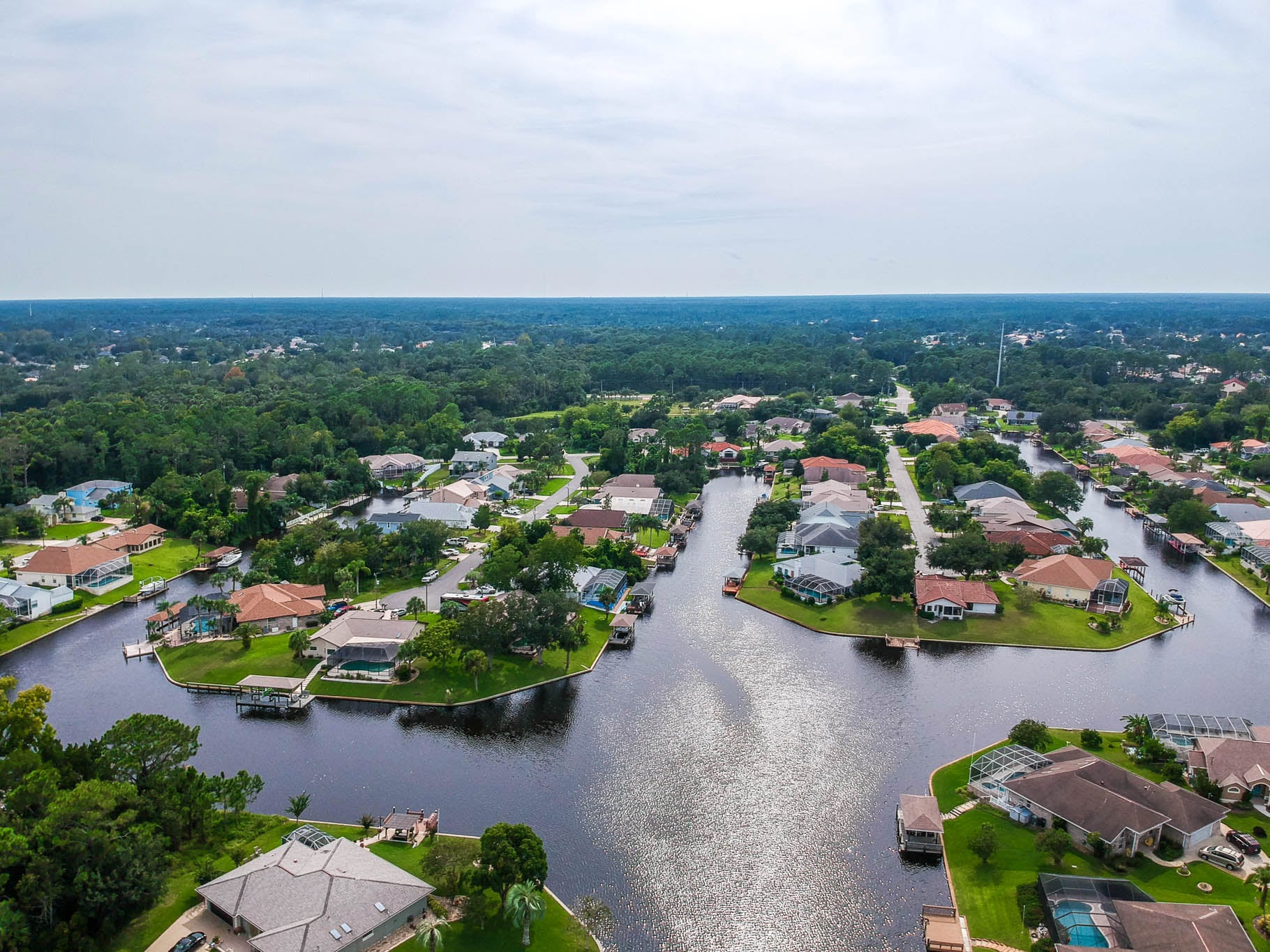
- Palm Coast offers both, with options spanning waterfront and inland locations
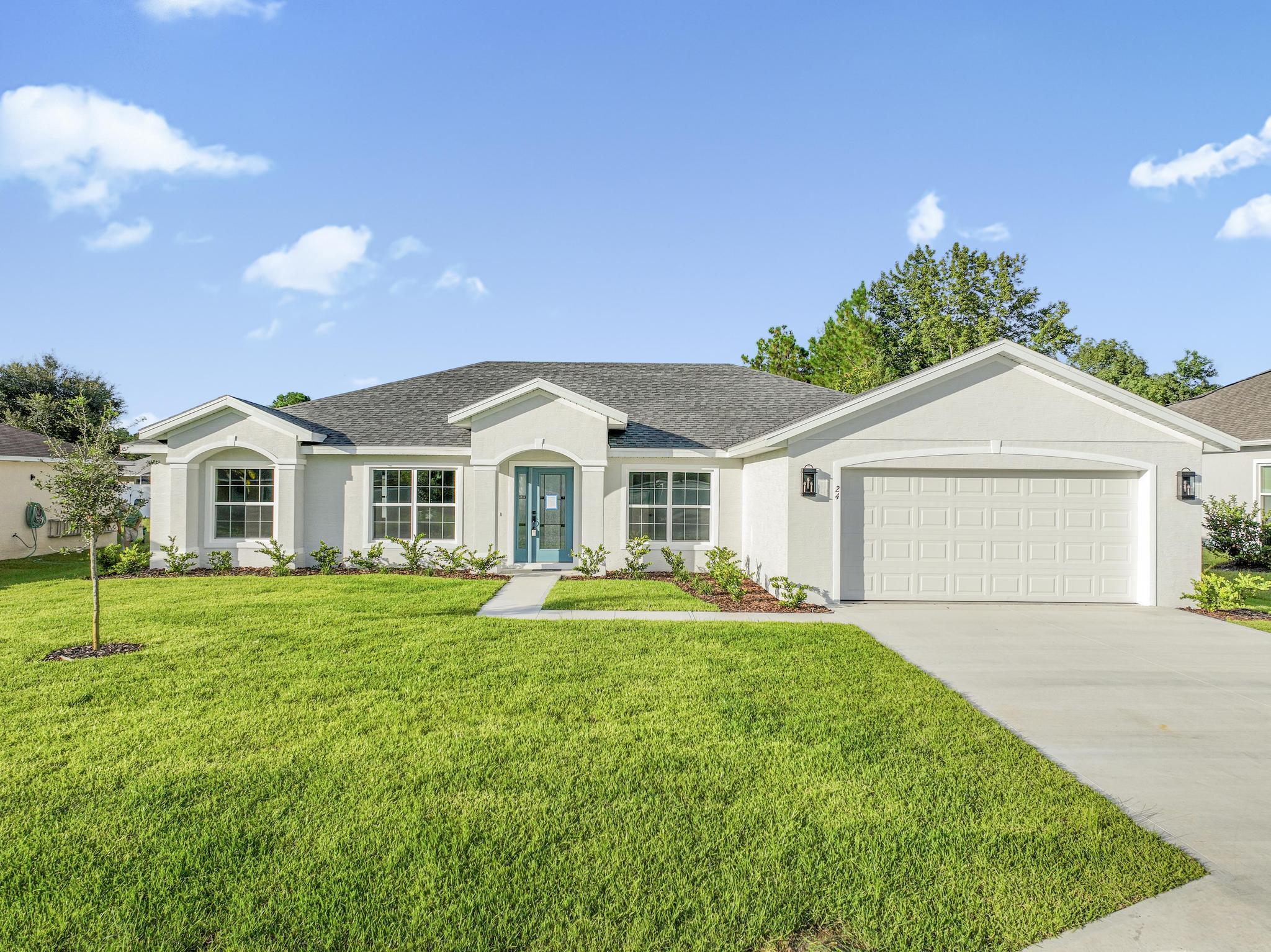
- New construction continues to grow, especially among buyers planning for long-term living

Maintenance and Ongoing Upkeep
Routine maintenance is one of the most important factors to consider when deciding between buying a new vs. used home. While all homes require regular upkeep, the level of involvement can vary depending on the age, condition, and overall consistency of the home.
New Homes
- Typically involves less upkeep early on
- Built with newer materials and systems
- Consistency across major structural components
- Often includes a builder's warranty, which provides coverage for certain items during the early years of ownership
Existing Homes
- Often require frequent upkeep over time
- Systems and materials vary in age and condition
- Maintenance needs can be less predictable
- May not include a builder warranty, though some sellers may offer limited coverage or a home warranty
Layout and Everyday Functionality
Layout plays a major role in how a home functions day to day. When comparing new and existing homes, the differences often come down to how spaces are connected, how rooms are used, and how well the layout supports your lifestyle over time.
New Homes
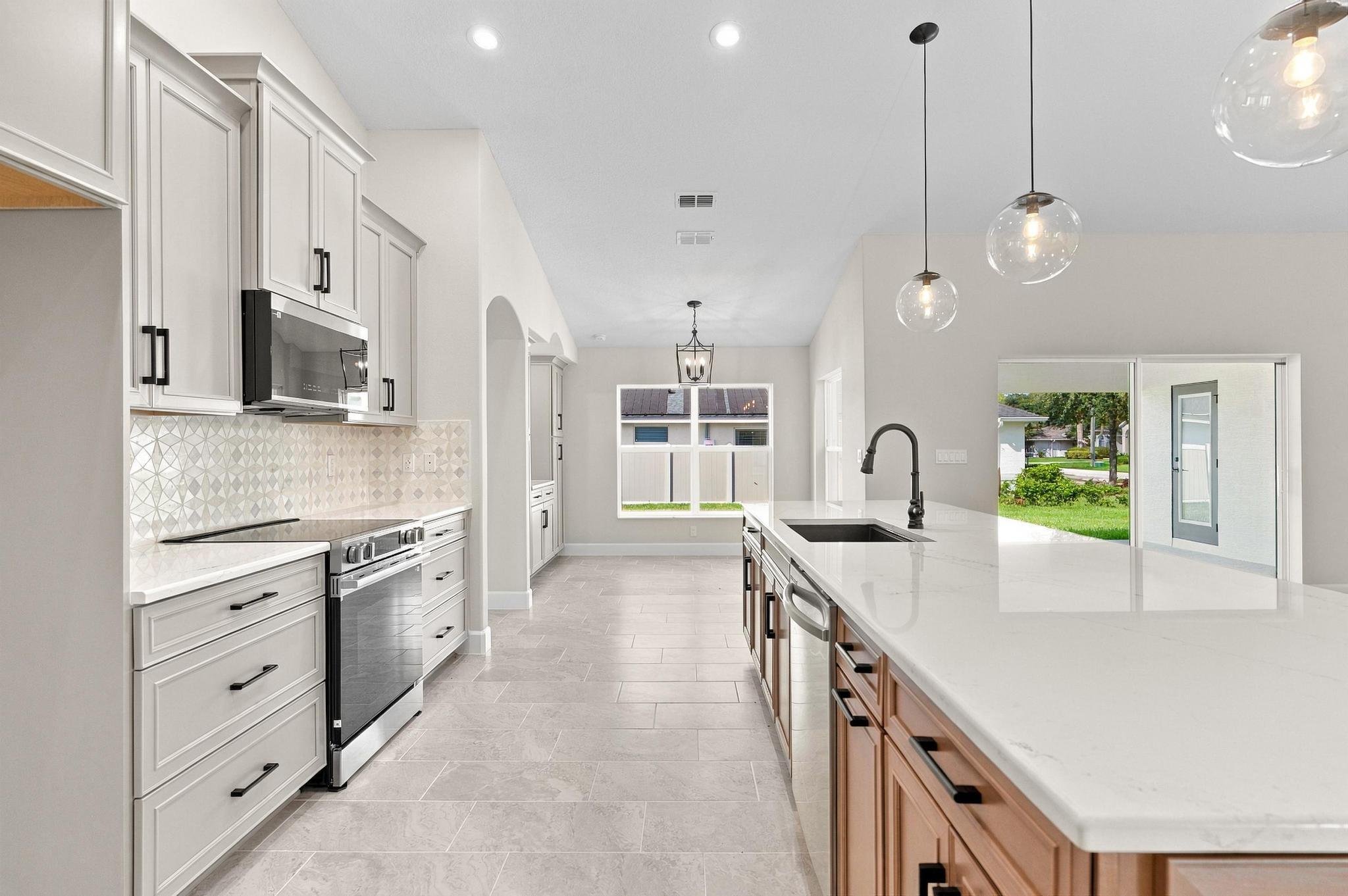
- Designed with open, connected living spaces
- Layouts with flexible spaces that better support how people use their homes today
- Intentional separation between shared living areas and private spaces
- Smoother transitions between indoor and outdoor living
Existing Homes
- Layouts reflect the design priorities of when the home was built
- Spaces may feel separated, and the connection between primary living areas may be reduced
- Room usage can be more fixed, with less built-in flexibility

Timeline and Move-In Expectations
Not every homebuying journey follows the same timeline, and how quickly you want or need to move can influence which option makes more sense. Some buyers prioritize speed, while others focus on finding the right fit, regardless of the timeline.
New Homes
- Move-in timelines can range from a few months to six months or even 12+ months, depending on the construction stage
- Quick move-in homes may be available sooner if already under construction
- Build timelines follow a more structured schedule once underway
Existing Homes
- Typically allows for a faster move-in, often within 30 to 60 days after going under contract
- Timeline depends on financing, inspections, and the closing process
- Availability is tied to current market listings

Long-Term Predictability
Most buyers plan for what happens after move-in, especially when planning for long-term living. The level of predictability over time can differ depending on the age of the home and how it was built.
New Homes
- Begin from a more uniform and consistent baseline
- Fewer unknowns tied to prior use or past updates
- Easier to anticipate how the home will perform over time
- Provides a clearer starting point for long-term planning
Existing Homes
- Reflects a range of past use, updates, and conditions
- More variability in how different parts of the home may perform over time
- Greater reliance on previous maintenance history
- Can introduce more unknowns when planning ahead
Buying a New vs. Used Home: Which Option Is Right for You?
Choosing between a new and existing home in Palm Coast comes down to what kind of ownership experience you want to prioritize. For buyers planning long-term living, simplicity and predictability often matter most.
That’s where new construction homes stand out. With a focus on streamlined living and thoughtful design, SeaGate Homes, a premier homebuilder in Palm Coast, crafts homes that align with the coastal lifestyle in Florida.
To plan for a simpler way of living, explore SeaGate homes and find a property that fits your next chapter.